Children
Rooted in their own world, children build who they are…
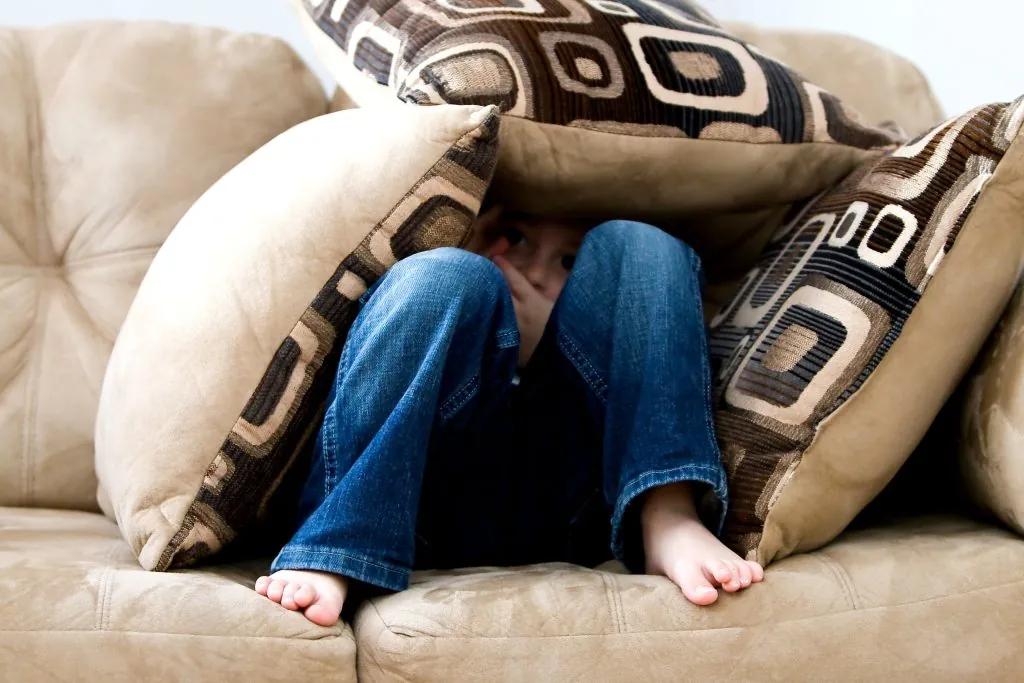
Children interpret the events in their lives according to their stage of development, and react according to that interpretation. These reactions vary from child to child; the most common are:
- Tantrums and oppositional behaviour;
- Disruptive behaviour (at school and/or at home);
- Shyness and social isolation;
- Developmental delays;
- Fears (e.g. of the dark, of dying, of being kidnapped, of monsters or ghosts);
- Enuresis (wetting their clothes during the day or the bed at night);
- Encopresis (soiling their clothes);
- Eating disorders (bulimia or anorexia);
- Lack of motivation at school.
However, showing some of these reactions does not necessarily mean a child has a problem. They need to be assessed taking into account aspects such as:
- how long the child has shown these reactions;
- whether attempts to help have already been made without success;
- whether these reactions are interfering with the child's development (personally, socially and at school);
- whether they are interfering with family life;
- whether they are unusual for the child's age.
Having considered all these points, it is important for parents and carers to try to understand what may have triggered these changes. Some events may be the cause, such as the death of someone close, the parents' divorce, or changes in the family or at school. However, bear in mind that some events in a child's life may not seem important to an adult, yet be enough to explain the child's behavioural and/or emotional changes.
So if you notice significant changes in a child that have consequences for the child, the family and/or their social and school life, and at the same time you cannot understand them or act to restore balance, seeing a psychologist may be important.