
ADHD Assessment
How is the psychological assessment carried out?
The assessment combines several procedures, namely:
- Clinical interview: gathering information about developmental history, personal, family, academic and/or professional background, and the difficulties currently experienced.
- Psychological assessment tools: questionnaires, rating scales and standardised tests suited to the person's age and characteristics.
- Collateral information: where relevant, it may be important to involve family members or other significant people, to understand how the person functions in different settings.
A psychological assessment for ADHD can be carried out from childhood to adulthood, taking into account the particular features of each stage of development.
How long does the assessment take at Eleva Saúde?
At Eleva Saúde, the assessment process is tailored to each person's needs and characteristics.
The usual number of sessions is:
- Children and adolescents: 4 to 5 sessions.
- Adults: 5 to 8 sessions.
At the end of the process, a feedback session may be scheduled to present the main findings and recommendations, which may include a psychological report.
Whether a report is needed is decided case by case; it is not required in every situation, particularly in some adult assessments.
How does intervention for ADHD work?
Intervention for ADHD should be individualised, taking into account each person's history, characteristics, difficulties and goals.
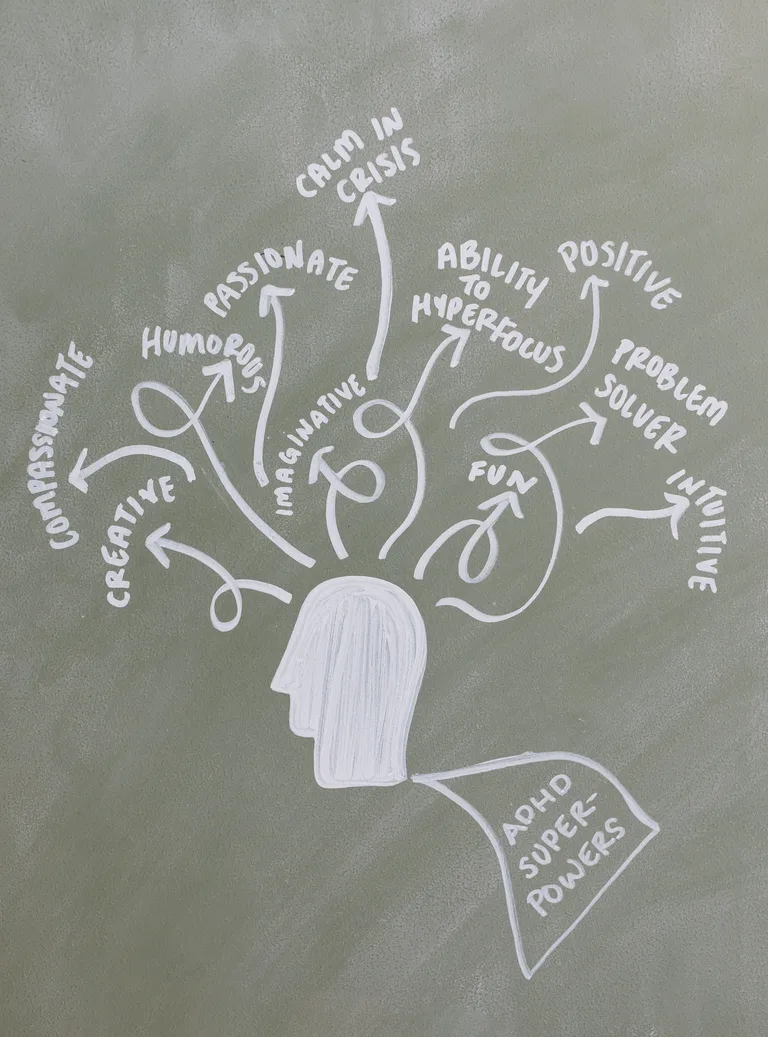
It is essential to remember that no one is defined by their diagnosis. ADHD is only one dimension of how a person functions and does not define their identity, abilities or potential.
Even so, understanding the particular ways of functioning associated with ADHD makes it possible to develop specific strategies that help manage difficulties and promote greater autonomy and quality of life.
Psychological support may focus on, among other areas:
- Developing organisation and planning strategies.
- Time management and building routines.
- Training attention and self-regulation skills.
- Developing strategies to manage impulsivity.
- Emotional regulation and coping with frustration.
- Building self-esteem and a more positive relationship with oneself.
- Developing strategies to cope with academic, professional and relational demands.
Intervention in childhood and adolescence
With children and adolescents, psychological support often also involves parents and carers, through parent guidance and training in strategies that can be used at home.
It may also be important to coordinate the intervention with the school, promoting accommodations and strategies that support learning, organisation and self-regulation.
Joint work between the child or adolescent, the family, the school and the professionals involved allows for more consistent responses, better suited to their needs.
What about medication?
In some situations, a medical assessment may be important, particularly by a psychiatrist or a child and adolescent psychiatrist, to consider whether pharmacological treatment may be needed.
When indicated, medication can be part of a broader treatment plan, coordinated with psychological support and other support measures.
At Eleva Saúde, we believe that understanding is the first step towards intervention. A thorough assessment provides a better understanding of how each person functions and allows us to build strategies suited to their needs, promoting their well-being and development.
Who carries out the assessment at Eleva Saúde?
- ADHD assessment for children: Angelina Senra, psychologist.
- ADHD assessment for adolescents and adults: Clara Meira, psychologist.
- Psychiatric assessment: Dr. Luísa Miranda, psychiatrist and psychotherapist.